Við erum ánægð að kynna þrjú verkefni sem voru valin í annarri úthlutun styrkja verkefnisins “Northern Insights: Research Mobility Grants for Melrakkaslétta“.
• Steinar úr fjarska: Jarðfræðileg rannsókn á aðkomnum bergtegundum Melrakkasléttu og Núpasveitar
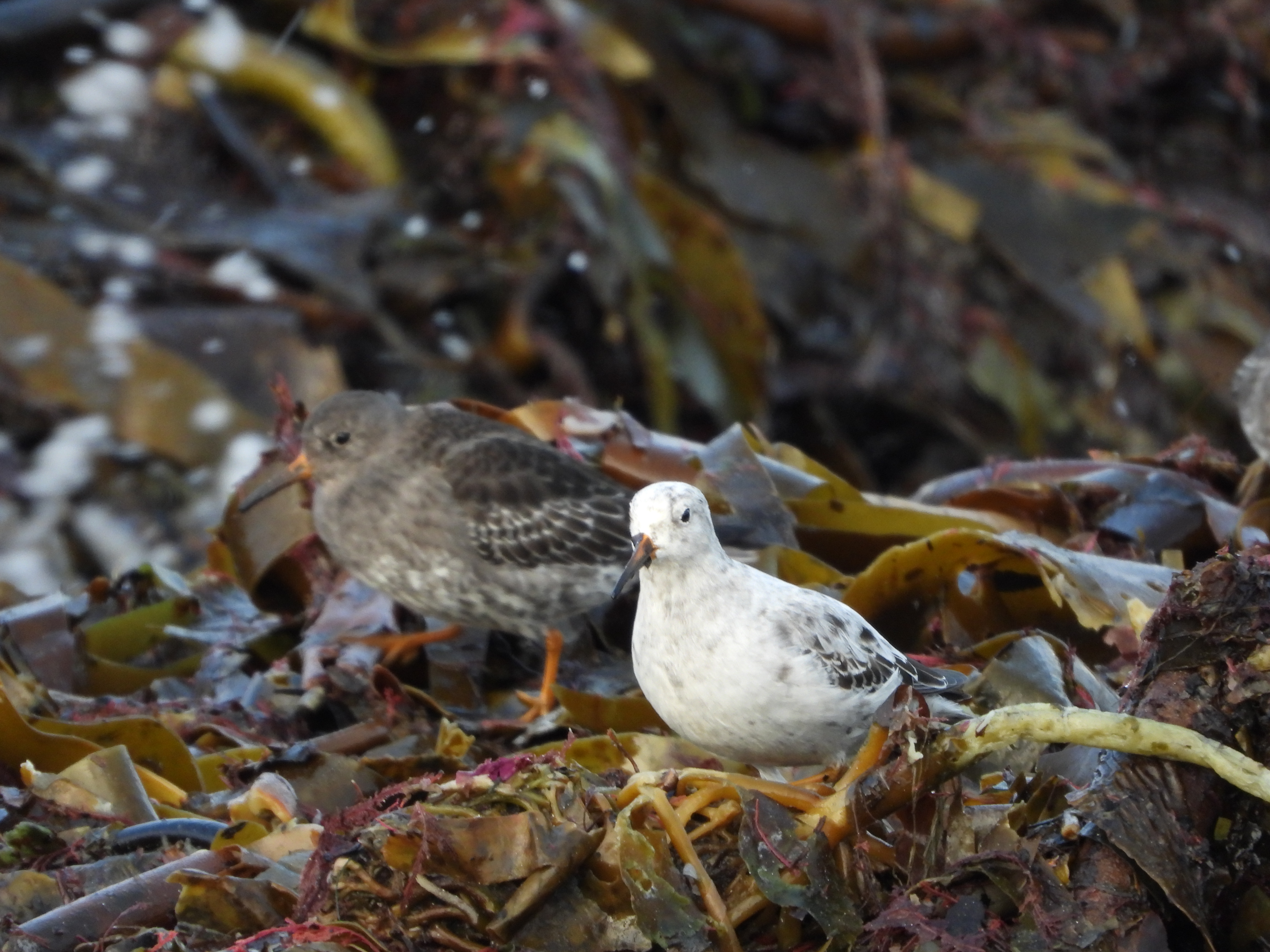
• Norðurnefjar í íslenskum strandsjó
• Viðnámsþróttur og aðlögun samfélagsins á Raufarhöfn.
Verkefnin varpa ljósi á vísindalegt, samfélagslegt og umhverfislegt mikilvægi Melrakkasléttu og efla um leið tengsl rannsókna og nærsamfélagsins.
Rannsóknastöðin Rif auglýsir eftir umsóknum um ferðastyrki til rannsókna að upphæð allt að 200.000 kr. innan verkefnisins „Northern Insights: Research Mobility Grants for Melrakkaslétta“.
Við bjóðum rannsakendum með aðsetur á Íslandi að sækja um, sérstaklega þeim sem eru á fyrstu stigum ferils síns. Verkefni geta meðal annars fjallað um líffræðilega fjölbreytni, loftslagsbreytingar, vistfræði, félagsfræði, ferðaþjónustu, þróun byggðar á Melrakkasléttu og listir sem tengjast náttúru og umhverfi.
Seinni úthlutunarumferð
Þetta er seinni úthlutunarumferð styrkjanna og er fyrir verkefni sem fara fram á tímabilinu 1. september til 30. nóvember 2026.
Styrkirnir greiða fyrir:
ferðakostnað (eldsneyti),
mat sem keyptur er í Raufarhöfn,
aðgang að rannsóknaraðstöðu,
og gistingu í allt að sex daga vettvangsvinnu.
Rannsóknastöðin Rif sér um að bóka og greiða fyrir gistingu.
Þeir sem fá styrk eru beðnir um að halda opið erindi fyrir heimafólk um rannsóknarverkefnið sitt.
Umsókn þarf að innihalda
Stutta lýsingu á verkefninu (hámark 2 bls.)
Ferilskrá (CV)
Umsóknarfrestur
31. ágúst 2026
Umsóknareyðublað
Heiti rannsóknarverkefnis: Nafn umsækjanda: Tengsl (háskóli, stofnun): Staða/hlutverk (t.d. meistaranemi, doktorsnemi, rannsakandi, prófessor eða annað): Netfang: Símanúmer: Rannsóknarsvið:
Lýsing á verkefni: (Hámark 300 orð. Lýsið rannsóknarverkefninu stuttlega, tilgangi þess og mikilvægi fyrir Melrakkasléttu.)
Markmið: (Takið saman helstu markmið vettvangsvinnu ykkar á svæðinu.)
Aðferðafræði: (Lýsið hvernig þið hyggist framkvæma rannsóknina, t.d. vettvangsvinnu, viðtöl, gagnaöflun o.s.frv.)
Væntanlegar niðurstöður: (Hvaða niðurstöður búist þið við og hvernig munu þær nýtast, t.d. til þekkingar, skipulags, verndar eða skapandi miðlunar?)
Miðlun niðurstaðna: (Hvernig hyggist þið kynna niðurstöðurnar? Fyrir nærsamfélag, hagaðila eða opinberlega?)
Áætlaðar dagsetningar vettvangsvinnu: (Dagsetningar þurfa að vera á tímabilinu 1. september til 30. nóvember 2026.)
Ferilskrá (viðhengi): (Hámark 1 bls.)
Verkefnið er styrkt af Brothættar byggðir II – Frumkvæðissjóður.
Fyrir frekari upplýsingar eða til að sækja um, sendið tölvupóst á pedro@rifresearch.is.
Við erum glöð að tilkynna þrjú valin verkefni í fyrstu úthlutun Northern Insights: Research Mobility Grants for Melrakkaslétta.
Styrkþegarnir munu rannsaka lykilspurningar sem móta svæðið, þar á meðal:
• Staðbundin sjónarmið á vindorkuuppbyggingu í Melrakkasléttu
• Eldfjallalandslag í Kópaskeri sem hliðstæður fyrir Marsrannsóknir
• Seiglu og aðlögun samfélaga á Raufarhöfn
Þessi verkefni undirstrika vísindalegt, félagslegt og umhverfislegt mikilvægi Melrakkasléttu, um leið og þau styrkja tengsl milli rannsókna og nærsamfélaga.
Við hlökkum til að taka á móti rannsakendum í sumar og deila vinnu þeirra með ykkur. Fylgist með!
Við bjóðum rannsakendum með aðsetur á Íslandi að sækja um, sérstaklega þeim sem eru á fyrstu stigum ferils síns. Verkefni geta fjallað um til dæmis líffræðilega fjölbreytni, loftslagsbreytingar, vistfræði, félagsfræði, ferðaþjónustu og þróun byggðar á Melrakkasléttu.
Alls verða veittir sex styrkir sem styðja stuttar vettvangsrannsóknir á Melrakkasléttu. Styrkjunum er úthlutað í tveimur umferðum.
Styrkirnir greiða fyrir ferðakostnað (eldsneyti), mat, aðgang að rannsóknaraðstöðu og gistingu í allt að sex daga vettvangsvinnu. Athugið að matur sem greiddur er með styrknum þarf að vera keyptur í Raufarhöfn (eldsneyti er undanskilið). Rannsóknastöðin Rif sér um að bóka og greiða fyrir gistingu.
Þeir sem fá styrk eru beðnir um að halda opið erindi fyrir heimafólk um verkefnið sitt.
Fyrri umferðin er fyrir verkefni sem fara fram frá maí til ágúst 2026. Seinni umferð verður auglýst í ágúst fyrir verkefni sem fara fram frá september til nóvember 2026.
Umsókn þarf að innihalda:
Stutta lýsingu á verkefninu (hámark 2 bls.)
Ferilskrá (CV)
Umsóknarfrestur: kl. 16:00 þann 15. apríl 2026
Verkefnið er styrkt af Brothættar byggðir II – Frumkvæðissjóður.
Fyrir frekari upplýsingar eða til að sækja um, sendið tölvupóst á: pedro@rifresearch.is
UMSÓKNAREYÐUBLAÐ:
Heiti rannsóknarverkefnis: Nafn umsækjanda: Tengsl (háskóli, stofnun): Staða/hlutverk (t.d. nemandi, nýdoktor, kennari): Netfang: Símanúmer:
Rannsóknarsvið:
Lýsing á verkefni: (Hámark 300 orð. Lýsið rannsóknarverkefninu stuttlega, tilgangi þess og mikilvægi fyrir Melrakkasléttu.)
Markmið: (Takið saman helstu markmið vettvangsvinnu ykkar á svæðinu.)
Aðferðafræði: (Lýsið hvernig þið hyggist framkvæma rannsóknina, t.d. vettvangsvinnu, viðtöl, gagnaöflun o.s.frv.)
Væntanlegar niðurstöður: (Hvaða niðurstöður búist þið við og hvernig munu þær nýtast, t.d. til þekkingar, skipulags eða verndar?)
Miðlun niðurstaðna: (Hvernig hyggist þið kynna niðurstöðurnar? Fyrir nærsamfélag, hagaðila eða opinberlega?)
Áætlaðar dagsetningar vettvangsvinnu: (Þurfa að vera á tímabilinu 1. maí til 31. ágúst 2026 fyrir fyrri úthlutun og 1. september til 30. nóvember 2026 fyrir síðari úthlutun.)
Frá og með 1. janúar 2026 hefur Rannsóknastöðin Rif orðið hluti af Náttúrufræðistofnun Íslands. Þetta skref veitir Rífi traustan grundvöll fyrir sjálfbæra langtímaþróun. Stöðin mun áfram sinna mikilvægu starfi sínu á Melrakkasléttu, byggðu á þremur meginstoðum: rannsóknum, fræðslu og byggðaþróun.
POLARIN oppens the second Transnational Access (TA) Call, offering researchers the opportunity to apply for free access to 42 polar research infrastructures in the Arctic and Antarctic.
Applicants are invited to align their proposals with at least one of POLARIN’s seven priority research themes:
Sea Ice and Polar Oceans in the Climate System
Polar Ice Sheets, Glaciers, and Sea Level
Terrestrial Carbon Cycle and Permafrost
Polar Ecosystems and Biodiversity
Atmosphere Dynamics and Chemistry
Paleoclimate Processes and Variability
Humans, Societies, and Global Changes
Key Dates and Application Process
The call is now open, with proposals due by October 30, 2025, at 16:00 CET. Successful applicants will be notified in mid-March 2026, with project negotiations expected to follow in April 2026.
Support for Applicants
To help researchers prepare their submissions, POLARIN is hosting two online events:
Brokerage Event – September 2, 2025 (15:00–17:00 CEST): The event will provide and an overview of the POLARIN project and its Transnational Access Calls, highlight some of the offered research infrastructures and briefly introduce the new POLARIN Geographic Information System (GIS). Learn more and register here.
Information Webinar for Applicants – September 18, 2025 (10:30–12:00 CEST): The seminar will cover the application and evaluation process, as well as the principles of Transnational Access. A dedicated Q&A session will give participants the opportunity to address specific queries. The webinar can be accessed via this link: https://oulu.zoom.us/j/69306892467.
Why It Matters
POLARIN’s TA programme offers both in-person and remote access to cutting-edge facilities, lowering barriers for global researchers and strengthening international collaboration in polar science. The project’s first TA call attracted nearly 100 proposals, highlighting the strong demand for open access to polar research infrastructures and reinforcing POLARIN’s leadership in advancing climate and environmental science at the poles.
INTERACT Association is excited to announce the first pilot call for its new Access Program, offering funded field research opportunities for spring/summer 2026.
This pilot call is dedicated to Early-Career Researchers. INTERACT Association is committed to supporting the next generation of scientists by providing unique opportunities to conduct research and fieldwork at Arctic and northern research stations.
Funding: Each selected proposal may receive up to 15,000 EUR, covering access, travel and logistic costs. INTERACT Association expects to support up to three proposals in this initial call.
Deadline to apply: 13 June at 16:00 CEST (UTC+1), via INTERACT TAP portal
The EU funded project POLARIN invites the scientific community to submit proposals to access 49 Research Infrastructures in both polar regions contributing to addressing the key research priorities.
Proposals submitted to the POLARIN TA Call 2024 must address at least one of the following research priorities:
Sea Ice and Polar Oceans in the Climate System
Polar Ice Sheets, Glaciers and Sea Level
Terrestrial Carbon Cycle and Permafrost
Polar Ecosystems and Biodiversity
Atmosphere Dynamics and Chemistry
Paleoclimate Processes and Variability
Humans, Societies and Global Changes
The proposals applying to the POLARIN TA call must be submitted through the POLARIN Transnational Access Platform (POLARIN TAP) on-line system by the proposal deadline. Late submissions and submissions via any other channel will not be accepted. Deadline for submission of proposals is 28th of November 2024, 4 pm CET. The access decisions will be announced in mid-March 2025 via the POLARIN TAP.
POLARIN is an EU-funded initiative that brings together an international network of polar research infrastructures. The project will run for five years from March 2024 to February 2029. It aims to address the scientific challenges of polar regions by providing integrated access to a wide array of high-level research infrastructures, including research stations in the Arctic and Antarctic, research vessels, icebreakers, observatories, and data repositories.



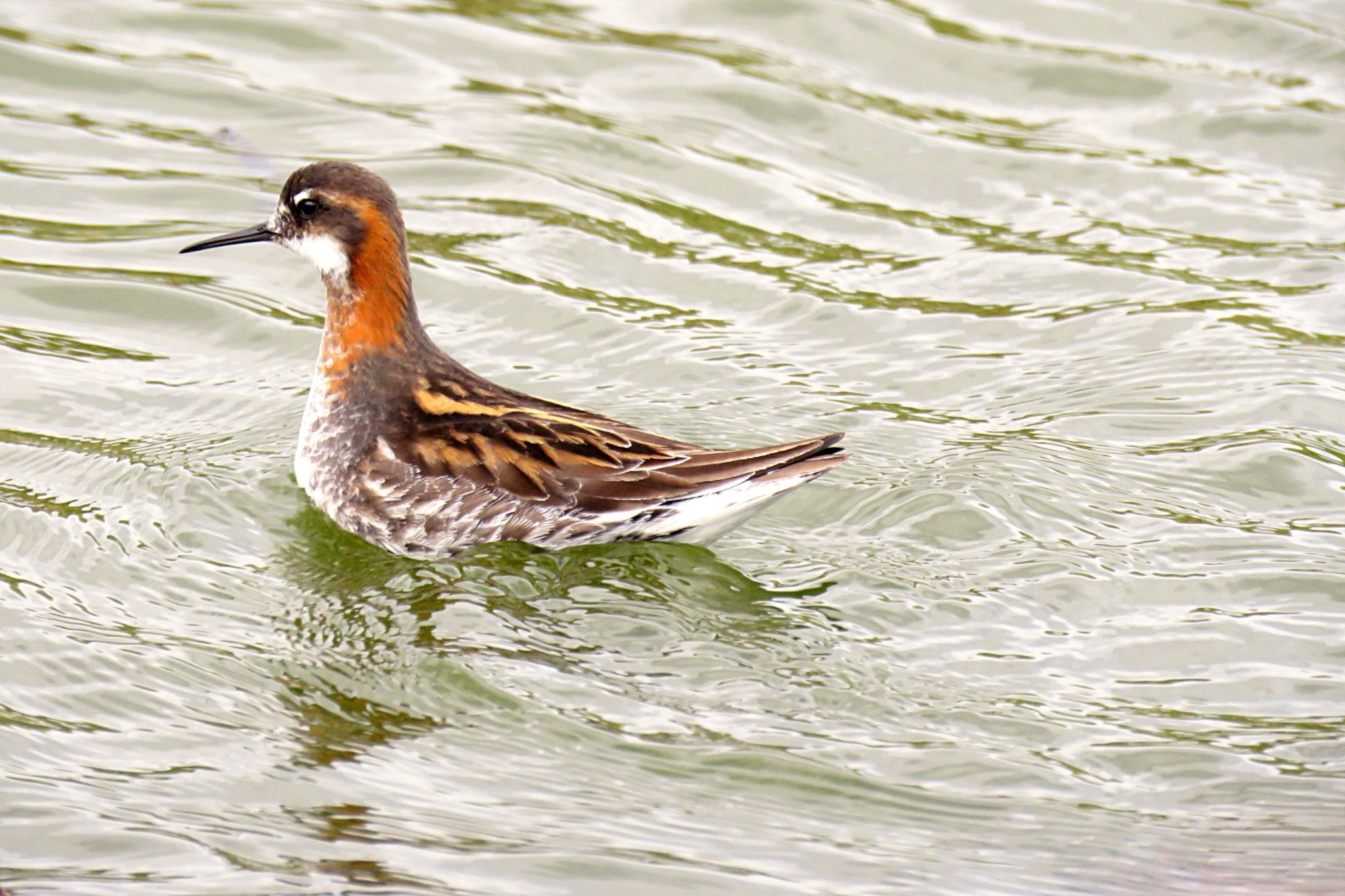

 This pilot call is dedicated to Early-Career Researchers. INTERACT Association is committed to supporting the next generation of scientists by providing unique opportunities to conduct research and fieldwork at Arctic and northern research stations.
 Funding: Each selected proposal may receive up to 15,000 EUR, covering access, travel and logistic costs. INTERACT Association expects to support up to three proposals in this initial call.
 Deadline to apply: 13 June at 16:00 CEST (UTC+1), via INTERACT TAP portal
 Learn more and apply here: